Motherhood is a beautiful and challenging adventure. And after bringing a new life into the world, concerns about your skin quality drop off the list of priorities, if not off the face of the earth entirely.
However, as you adjust to life with a newborn and return to your usual routine, you might find that your complexion has changed. Between 15 and 50% of women experience a skin condition known as melasma during and after pregnancy.
Though not physically harmful or dangerous, the patchiness and discoloration of melasma can disrupt your self-image and confidence. You pour so much of your love, strength, and energy into caring for your little one—and you deserve that same time and attention.
Keep reading to learn how Worthy Skin & Beauty Bar can give your skin the TLC it needs, or book a consultation for melasma treatment near Kitchener.
Understanding Your Melasma
So…what actually causes this skin condition? Melasma is a hyperpigmentation disorder often triggered by:
- UV (sunlight) exposure
- Hot temperatures
- Hormonal fluctuations
These stimuli can cause melanocytes, the cells in your skin that produce pigment, to create extra melanin. That excess coloring distributes unevenly throughout your skin, so you might see freckle-like or blotchy patches of brown or bluish discoloration.
The irritation caused by heat, acne, and sun exposure also triggers skin inflammation, causing redness that can deepen the appearance of melasma.
Where Will I See Melasma?
Often, melasma appears on the:
- Forehead
- Cheeks
- Nose
- Above the upper lip

What Increases My Chances of Developing Melasma?
Many internal and external factors can cause melasma or contribute to its appearance. Patients are more prone to developing this skin condition if they:
- Spend a lot of time in the sun without sun protection.
- Take hormonal birth control pills.
- Are pregnant or recently gave birth.
- Use antiseizure medications.
- Have a family history of melasma.
- Live with an underactive thyroid or other hormonal imbalances.
- Regularly use medicines that increase sun sensitivity (such as NSAIDs, retinoids, antipsychotics, diuretics, etc.).
- Use tanning beds.
Melasma primarily affects women, including pregnant women and new mothers—especially those with melanin-rich complexions. Researchers believe we can attribute this so-called “mask of pregnancy” to the heightened levels of estrogen and progesterone circulating through the body during pregnancy.
Though hyperpigmentation might first arise during pregnancy or postpartum, it does not simply “come and go.” This condition is chronic—not temporary.
However, we can take steps to protect your skin from flare-ups and manage the outward appearance of your melasma, so you can walk through life feeling confident and comfortable in your skin.
Managing Your Condition
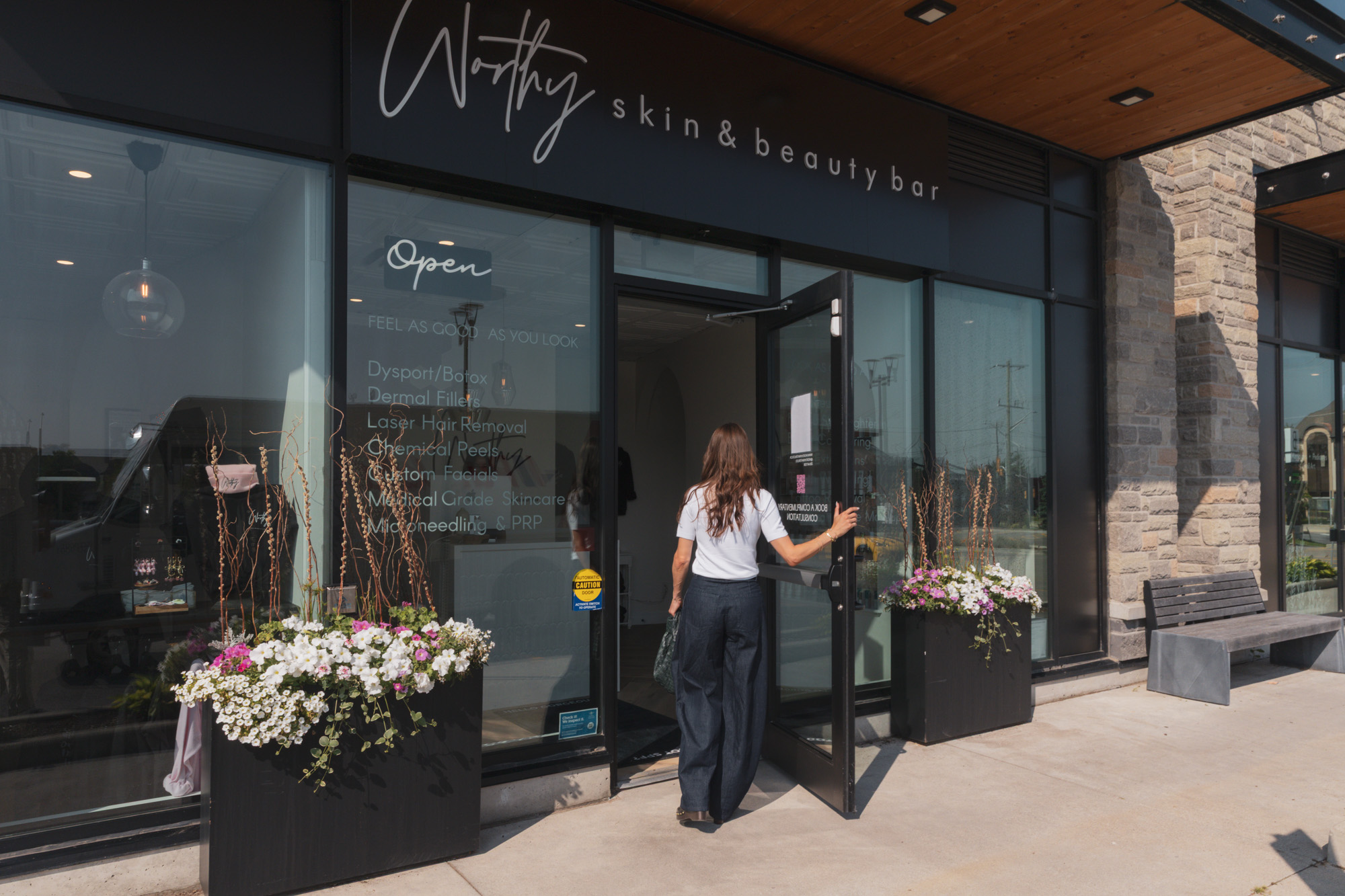
When you visit Worthy Skin & Beauty Bar, you step through our doors into a skincare oasis. But it’s no mirage—we’re the real deal.
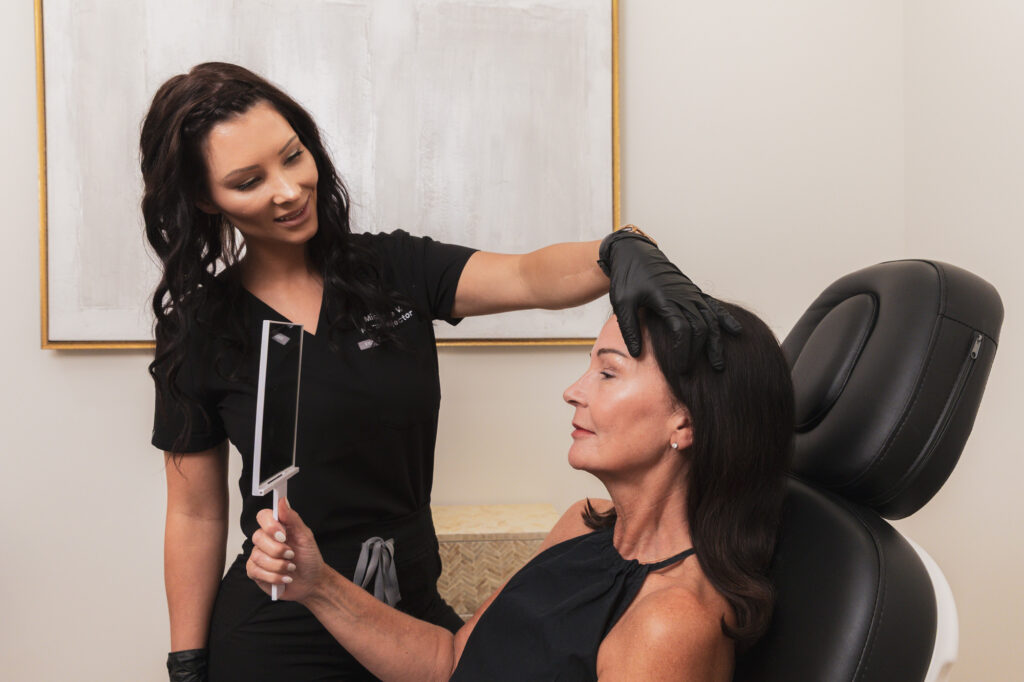
Every patient begins their skin journey with a complimentary consultation. During this meeting, you sit down with one of our expert providers to discuss your skin concerns, aesthetic aspirations, and medical history. Then, your provider assesses your skin condition to tailor your melasma treatment near Kitchener.
Since this hyperpigmentation disorder is easily triggered by heat, irritation, and light, we rarely advise popular rejuvenating treatments like chemical peels, radiofrequency, or IPL. Instead, we focus on steady pigment reduction without disrupting the skin barrier.
For many patients, we kick off melasma treatment near Kitchener with a personalized skincare regimen.

Medical-Grade Skincare
Though the toners and scrubs in your skincare rotation might have once yielded results, your skin’s needs evolve with conditions like melasma. What once clarified your complexion might now be too abrasive for your skin.
Your highly trained aesthetician can guide you to the products that best support your skin’s health and appearance without triggering irritation or a melasma flare-up.
We can recommend a thoughtfully curated medical-grade skincare regimen to help:
- Gently exfoliate the skin
- Slow excessive pigment production
- Brighten your complexion
- Fortify the skin barrier
Typically, this routine includes 2% hydroquinone, a potent ingredient that helps slow down melanin synthesis. Our providers advise using the recommended cleansers, moisturizers, and SPF for at least 2 weeks prior to deeper skin treatments.
By easing into melasma treatment near Kitchener with medical-grade skincare products, we pave the way for gradual, lasting pigment reduction. Maintain this regimen throughout your treatment plan to continue supporting optimal skin quality.
PicoSure Laser Treatments
For many patients, we move on to laser skin rejuvenation. Along with following your directed skincare prep steps, you can prepare for laser melasma treatment near Kitchener by:
- Discontinuing use of Accutane at least 6 months prior to treatment.
- Protecting your skin from sun exposure using SPF 30+.
- Avoiding waxing or other resurfacing treatments for at least 2 weeks before your appointment.
- Using gentle cleansers and moisturizers in the weeks leading up to your session.
- Arriving with clean skin free of makeup.
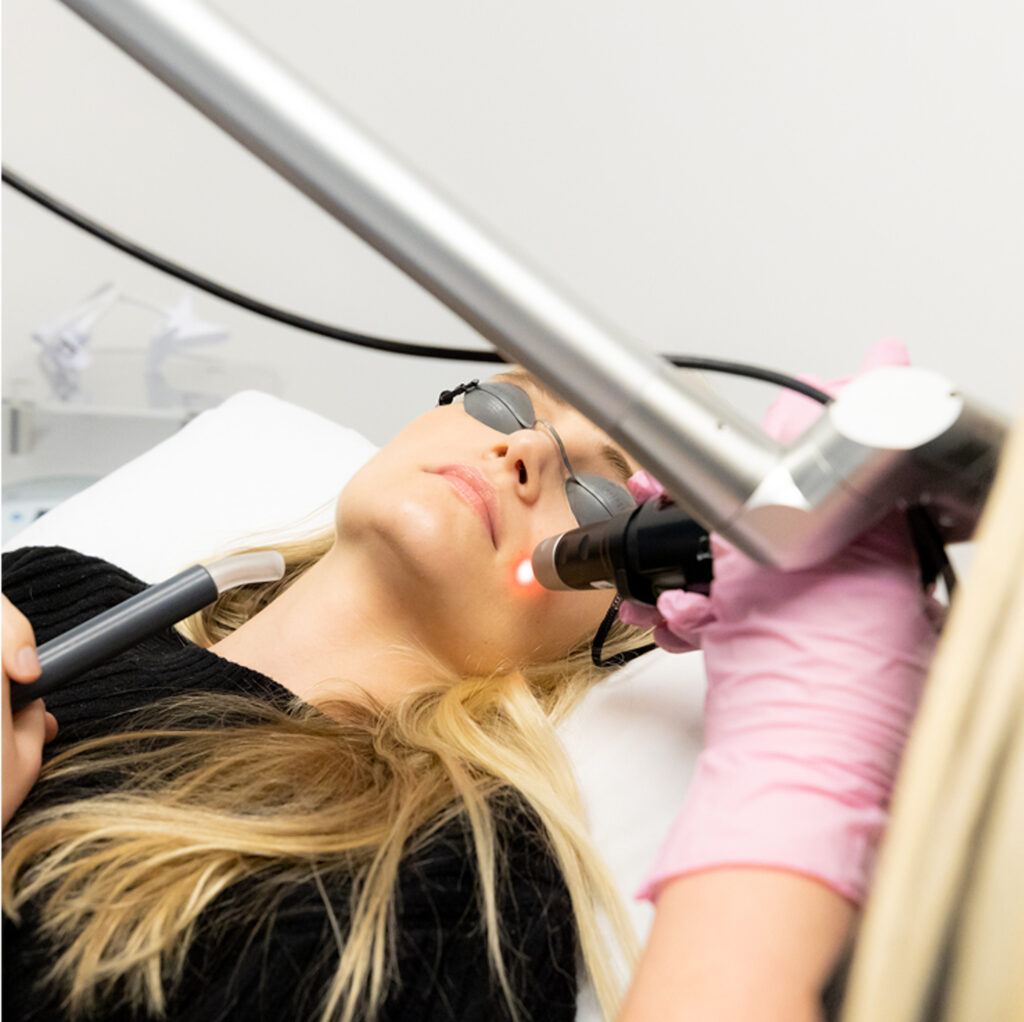
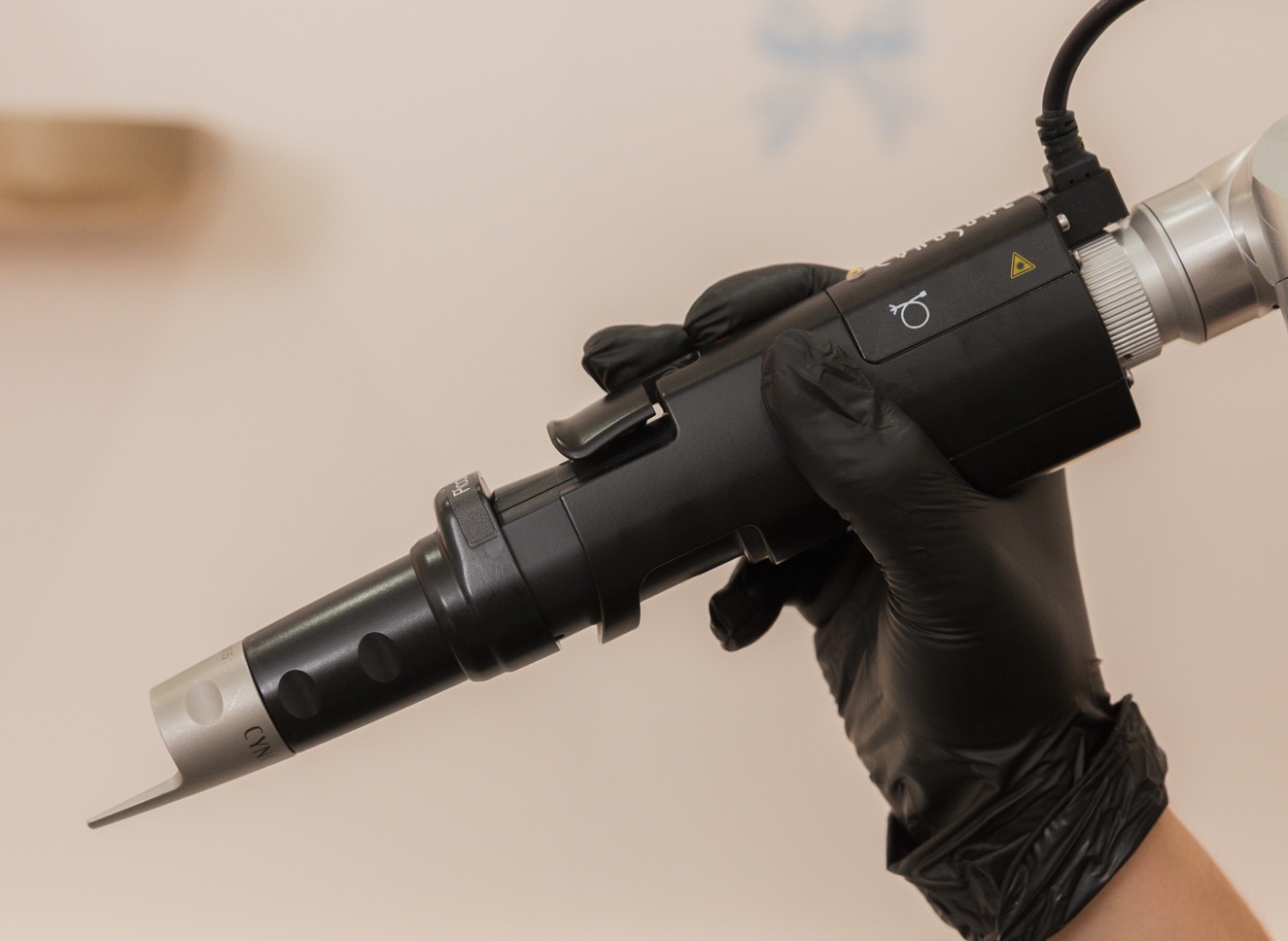
The PicoSure Pro Laser is the gold standard in laser technology, using ultra-short pulses of energy for precise, controlled results. ⭐️ This method of energy delivery targets the unwanted pigmentation without causing thermal damage to the surrounding tissue (avoiding the excess heat that would cause flare-ups).
With options suitable for all skin types and tones, your provider can tailor the laser to address your concerns safely and effectively.
PicoSure Melasma Treatment
During each 45-minute treatment, your medical aesthetician guides the handheld device above the treatment area, sending precise laser energy into the skin.
The quick, concentrated pulses break up the unwanted pigmentation, so your body can flush out the fractured particles. Additionally, the laser induces deep dermal healing, so your skin rebuilds itself with a smoother texture in addition to more even tone.
Patients often compare the feeling of the laser to the snap of a rubber band on the skin. This sensation subsides once each session ends.
PicoSure After-Care
As we wrap up your appointment, we walk through what you can expect as your skin heals, outlining care steps to follow between treatments. Your skin might look red or feel sensitive for the first 24 to 48 hours, with your restored brilliance settling in the weeks after laser melasma treatment.
To preserve your skin health, we advise that you:
- Use lukewarm water when washing your face or showering.
- Do not touch, scratch, or rub the treated skin.
- Limit intense activity that could cause facial sweating.
- Avoid scheduling any facial treatments in the following 2 weeks.
- Use skincare products as recommended by your provider.
- Wear sunscreen that uses zinc oxide.
- Avoid taking antibiotics for 2 weeks before and after laser skin rejuvenation.
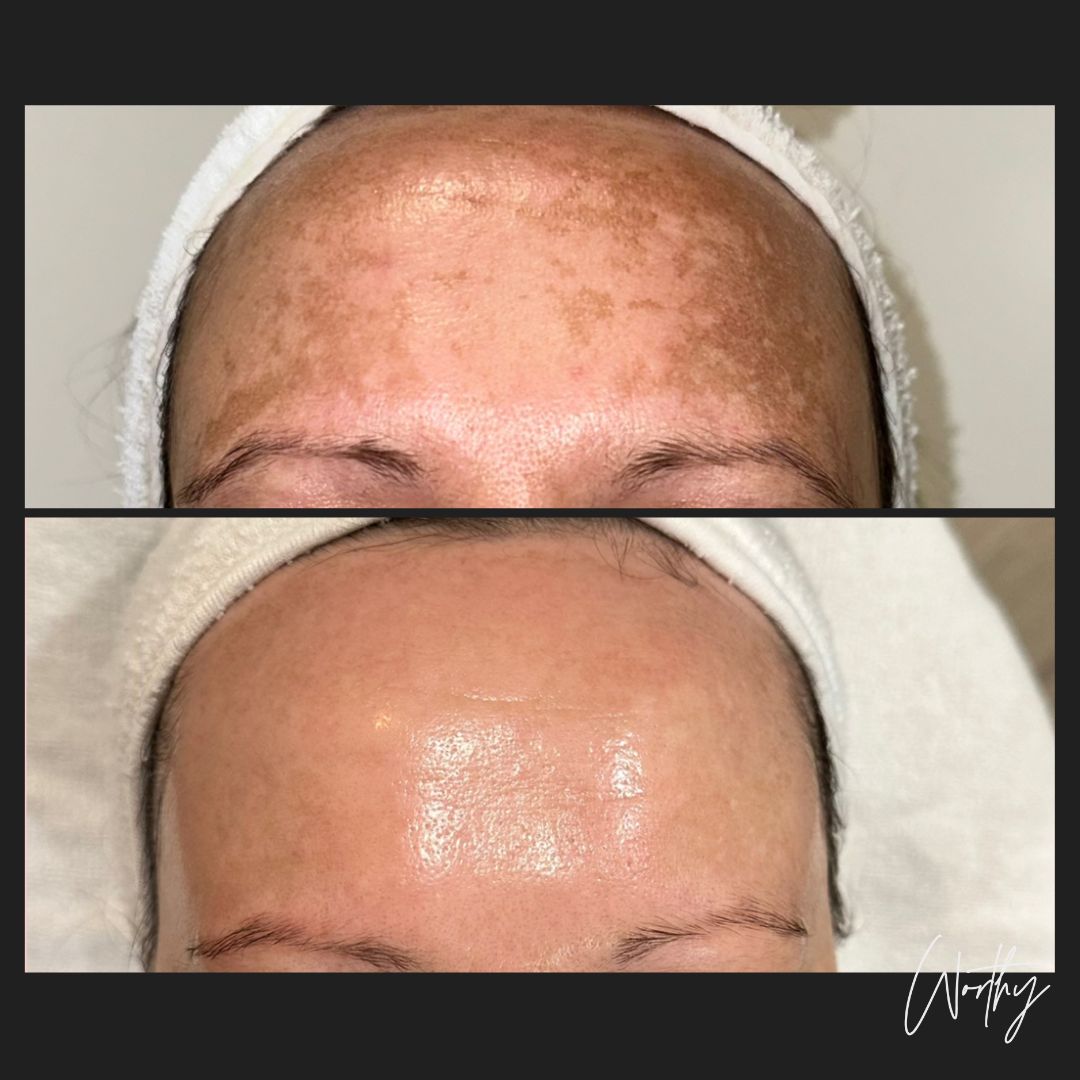
After a series of treatments personalized for your skin goals, you can see melasma steadily fade.
Derma Pen Microneedling
Based on your skin’s needs and its response to your medical-grade skincare routine, your provider might also recommend microneedling to treat your melasma near Kitchener.
As with laser skin rejuvenation, you should take a few measures to prepare for your microneedling session. Typically, these include:
- Avoiding sun exposure and tanning for 1 to 2 weeks before microneedling.
- Excluding products containing exfoliants or active ingredients from your daily skincare regimen 24 hours before treatment.
- Arriving at your appointment with clean skin.
Derma Pen Melasma Treatment
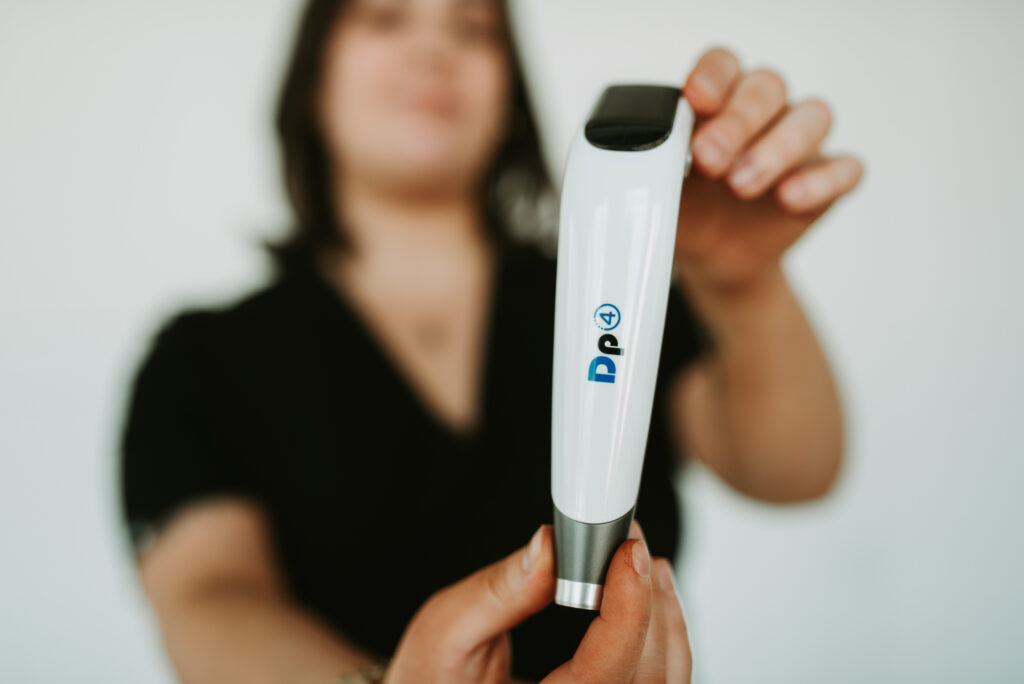
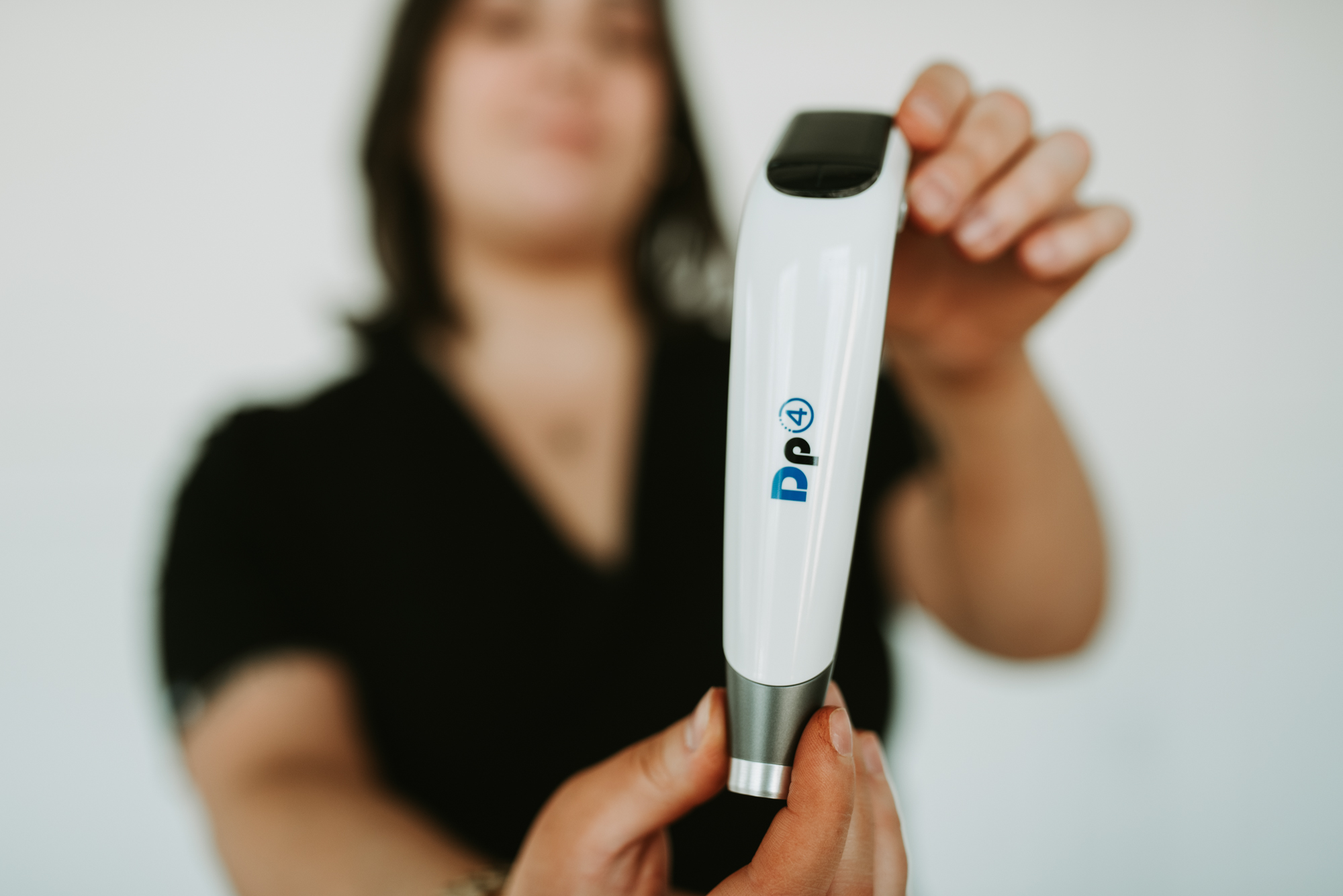
To begin your microneedling session, your aesthetician smooths a topical numbing cream over the treatment area and lets it take effect before passing the advanced Derma Pen (DP4) device across your skin. Though you might feel a mild prickling sensation, many patients relax comfortably throughout treatment.
The DP4 creates controlled, microscopic wounds in the tissue, stimulating your skin’s healing process.
The corresponding cellular regeneration helps rid your skin of damaged, pigmented cells, gradually replacing them with brighter, healthier cells.
The “micro-injuries” also stimulate new production of collagen and elastin, proteins that tighten and plump your skin for a more youthful appearance.
Derma Pen After-Care
After putting the finishing touches on your skin treatment, your provider might recommend the following instructions to maintain your glow:
- Apply a cold compress to reduce mild swelling as needed.
- Use gentle, hydrating skincare products as directed.
- Protect the treated skin from direct sun exposure.
- Avoid hot temperatures and strenuous exercise for the first 24 to 48 hours.
- Wait to apply makeup to the treated skin until at least 24 hours after treatment.
You can expect to see renewed radiance start within days of your microneedling treatment, with the full lifting and brightening effects developing in the subsequent weeks and months.
Many melasma-prone patients benefit from a series of at least 3 microneedling sessions, each staged 4 to 6 weeks apart.
Nurture Your Skin Health
When the demands of motherhood overrun your schedule (or your skincare routine), it can feel challenging to carve out time for yourself. But it’s never too late to invest in yourself—or your lasting skin health.
Together, we can manage your melasma and restore a luminous complexion that reflects your natural beauty.
Remove the “Mask of Pregnancy” and Unveil Your Inner Radiance
You don’t have to live with discoloration as an unwelcome side effect of motherhood. Gently reduce hyperpigmentation with personalized melasma treatment near Kitchener.
Dive deeper into skin-rejuvenating treatments like microneedling with PRP.